
Date: November 8, 2025
For many UK commercial property managers and business owners, air duct cleaning is often viewed as a discretionary expense—an invisible maintenance task that can be deferred. Yet, what seems like a simple saving on a cleaning service is, in reality, a gamble against your company’s finances, compliance, and long-term health.
Neglected ductwork in offices, restaurants, and industrial sites quickly turns from a cleanliness issue into a significant financial and legal liability. Beyond the obvious dust, there are five major hidden costs that UK businesses pay for deferring commercial air duct cleaning.
1. Skyrocketing Energy Bills (The Inefficiency Tax)
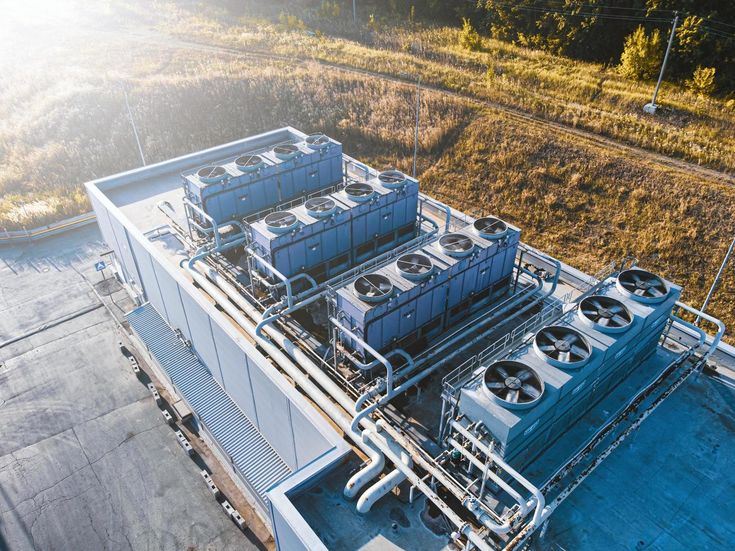
The most immediate hidden cost is seen in your utility statements. When air ducts are clogged with dust, dirt, and debris, the HVAC system has to work significantly harder and longer to push conditioned air through the restricted pathways.
- The Impact: This increased workload forces the system to consume more electricity. According to industry estimates, a heavily contaminated system can operate with 10% to 30% reduced energy efficiency.
- The Cost: This translates directly into higher monthly HVAC energy efficiency bills, essentially charging you a recurring “inefficiency tax” that far exceeds the price of scheduled maintenance.
2. Reduced Productivity and Increased Absenteeism
Poor Indoor Air Quality (IAQ) is a silent killer of productivity. Dirty ductwork recirculates particulate matter, allergens, mould spores, and bacteria throughout the workspace, leading to “Sick Building Syndrome.”
- The Impact: Employees exposed to poor IAQ suffer from fatigue, headaches, respiratory issues, and increased allergy flare-ups. This results in higher rates of sick days and reduced concentration among present staff.
- The Cost: The cost of lost working hours, lower output quality, and having to cover absent staff quickly becomes a substantial, unbudgeted expense that affects profitability. Studies suggest poor indoor air quality can cost the UK economy billions annually in lost productivity.

3. Fire Risk and Insurance Invalidity
In commercial kitchens, especially, neglecting the extraction system (where grease-laden vapours are transported) is the single biggest risk. However, fire risk is present in all commercial environments.
- The Impact: Heavy FOG accumulation in restaurant extract ducts creates a massive fire hazard. Similarly, dust accumulation in industrial systems can create combustible conditions. UK legislation, specifically the Regulatory Reform (Fire Safety) Order 2005, mandates that building owners mitigate fire risk.
- The Cost: Failure to adhere to standards like the BESA’s TR19 standards for cleanliness can lead to your insurance provider rejecting a claim in the event of a fire. The cost is not just the fire damage itself, but the complete loss of insurance protection and resulting business interruption.
4. Premature Equipment Failure and Costly Repairs
Dirt acts as insulation and abrasive material within your ventilation system, causing unnecessary strain on core mechanical components.
- The Impact: Clogged filters, coils, and fan units force the air handling units (AHUs) to run at elevated temperatures and under greater load. This acceleration of wear and tear leads to frequent breakdowns.
- The Cost: Instead of minor maintenance costs, you face major capital expenditures, such as replacing expensive motors, coils, or entire AHUs years before their scheduled lifespan is over. These emergency repairs also bring unexpected downtime.
5. Compliance Penalties and Legal Fees
UK commercial ventilation standards are a matter of legal compliance, not suggestion. Regulatory bodies can and do issue fines for non-compliance.
- The Impact: Regular cleaning is required by UK health, safety, and hygiene regulations. Failure to provide proper documentation of cleaning (especially to TR19 standards) can result in failed inspections, enforcement actions, and hefty fines from local councils or the Health and Safety Executive (HSE).
- The Cost: The expense includes fines, the cost of emergency cleaning to rectify the breach, and potential legal fees or liability claims if poor air quality is linked to an employee’s illness.
The RankLift Media Solution: Marketing Your Compliance
For the specialist commercial ventilation cleaning firms who are dedicated to upholding TR19 standards and protecting UK businesses from these hidden costs, the challenge is getting noticed by the property managers who need them.
RankLift Media helps industry-leading service providers turn their expertise in commercial ventilation cleaning frequency and compliance into dominant online visibility.
We ensure that when a facilities manager searches for “TR19 duct cleaning certification” or “commercial kitchen fire safety audit UK,” your company is the first, most trusted solution they find. We lift your brand out of obscurity and into the position of market authority.

Conclusion
Neglecting air duct cleaning is not a cost-saver; it’s a direct drain on your bottom line disguised as maintenance deferral. From energy waste and reduced productivity to fire risk and regulatory penalties, the hidden costs are substantial.
The solution is simple: adhere to the recommended commercial ventilation cleaning frequency (which varies from quarterly to annually based on usage) and partner with a certified specialist.
HVAC/Duct Cleaning Specialists: Ready to connect with the high-value commercial clients who are actively looking to avoid these hidden costs? RankLift Media is ready to build your dominant digital presence.
Published by RankLift Media – Turning Digital Attention into Measurable Growth.